
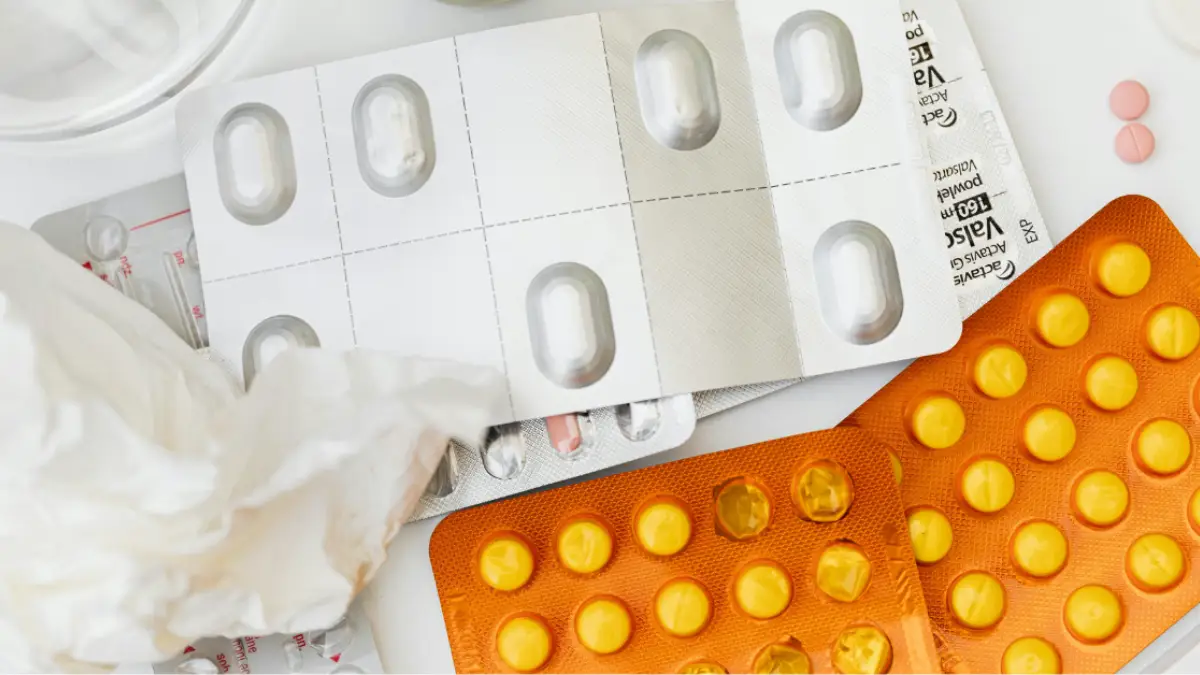
Medicines and Their Side Effects: Published: 20 April 2026 | By AiMedDoctor Team:medicine side effects, common medicines side effects, paracetamol side effects, ibuprofen side effects, antibiotic side effects, bp medicine side effects, metformin side effects, pantoprazole side effects, statin side effects, drug side effects india, safe medicine use, aimeddoctor medicine
Every day, millions of Indians take medicines for fever, pain, acidity, blood pressure, diabetes, and infections. While medicines save lives, they can also cause side effects — some mild, some serious. Knowing these side effects helps you use medicines safely and avoid unnecessary complications.
In this doctor-written guide, we explain the most commonly used medicines in India, their possible side effects, warning signs, and practical tips to reduce risks. All information is based on the latest ICMR, CDSCO, and international drug safety guidelines (2026).Central Drugs Standard Control Organisation (CDSCO)
Why Do Medicines Cause Side Effects?
Side effects happen because medicines affect not only the target organ but also other systems in the body. Factors like age, kidney/liver function, other medicines you take, and dosage play a big role. Elderly people, children, and pregnant women are at higher risk.Medicines and Their Side Effects
Most Common Medicines and Their Side Effects (2026)
| Medicine (Common Brand) | Used For | Common Side Effects | Serious / Rare Side Effects | Doctor’s Tip |
|---|---|---|---|---|
| Paracetamol (Crocin, Calpol) | Fever, mild pain | None in normal dose | Liver damage (overdose >4g/day) | Never exceed 4 tablets (2g) in 24 hours |
| Ibuprofen / Diclofenac (Brufen, Voveran) | Pain, inflammation, arthritis | Stomach pain, acidity, heartburn | Stomach ulcer, bleeding, kidney damage | Always take after food; avoid if you have ulcer |
| Amoxicillin / Azithromycin (Antibiotics) | Bacterial infections | Nausea, diarrhoea, skin rash | Severe allergy, antibiotic resistance | Complete full course; never self-medicate |
| Pantoprazole / Omeprazole (Pantocid, Omez) | Acidity, GERD, ulcer | Headache, diarrhoea, gas | Long-term: Vitamin B12 & calcium deficiency, bone weakness | Do not take more than 4–8 weeks without doctor |
| Amlodipine / Telmisartan (BP medicines) | High blood pressure | Ankle swelling, dizziness, headache | Very low BP, kidney function drop | Monitor BP regularly; report swelling to doctor |
| Metformin (Glycomet, Gluconorm) | Type-2 Diabetes | Nausea, loose motions, metallic taste | Lactic acidosis (rare but serious) | Take with meals; inform doctor if kidney issue |
| Atorvastatin / Rosuvastatin (Statins) | High cholesterol | Muscle pain, weakness | Severe muscle damage (rhabdomyolysis) | Report unexplained muscle pain immediately |
| Levocetirizine / Montelukast (Anti-allergy) | Allergy, cold | Drowsiness, dry mouth | Rare behavioural changes in children | Take at night if it causes sleepiness |
How to Reduce the Risk of Side Effects
- Never self-medicate – Especially antibiotics and painkillers.Medicines and Their Side Effects
- Read the label – Check dosage, timing, and warnings.
- Inform your doctor about all medicines you are taking (including vitamins and herbal supplements).
- Take medicines with food when advised (reduces stomach irritation).Medicines and Their Side Effects
- Stay hydrated – Many medicines can affect kidneys if you are dehydrated.Indian Council of Medical Research (ICMR)
- Regular check-ups – Blood tests (LFT, KFT, CBC) are important if you take medicines for more than 3 months.
- Stop and consult if you notice rash, swelling, breathing difficulty, severe vomiting, or yellow eyes.Medicines and Their Side Effects
When to See a Doctor Immediately (Red Flags)
- Severe allergic reaction (rash, swelling of face/lips, breathing trouble)
- Black stools or vomiting blood
- Yellow eyes or dark urine
- Unexplained muscle pain or weakness
- Sudden swelling of legs or breathlessness
- Severe dizziness or fainting
Final Doctor’s Advice
Medicines are helpful only when used correctly. The same tablet that relieves your headache can damage your liver if taken in excess. Always consult a qualified doctor before starting or stopping any medicine, especially if you have diabetes, high BP, kidney or liver problems.Medicines and Their Side Effects
Disclaimer: This post is for educational purposes only. Side effects can vary from person to person. Never stop or change your medicine without consulting your doctor. AiMedDoctor team does not provide medical advice.Medicines and Their Side Effects
| How to Understand Dengue and Malaria Lab Test Reports? NS1, IgM, IgG, Platelet Count, Rapid Antigen Test | Click Here |
| How to Understand LFT (Liver Function Test) Lab Report? SGOT, SGPT, Bilirubin, ALP Normal Values & Doctor’s Complete Guide (2026) | Click Here |
What should I do if I experience any side effect?
Stop the medicine immediately and contact your doctor. For mild effects like nausea, take it with food. For serious effects like rash, swelling or breathing difficulty, seek emergency help.
Is it safe to take multiple medicines together?
Not always. Some combinations can interact and increase side effects. Always tell your doctor about all the medicines, supplements and herbal products you are using.Medicines and Their Side Effects
How can I reduce the risk of side effects?
Take the exact dose prescribed, follow timing, never self-medicate, stay hydrated, and go for regular blood tests (LFT, KFT) if you are on long-term medicines.
When should I immediately stop the medicine and see a doctor?
If you notice severe allergy (rash, swelling of face/lips), black stools, vomiting blood, yellow eyes, severe muscle pain, or sudden breathing difficulty.
Are all side effects written on the medicine label?
The label mentions only common side effects. Rare or serious side effects are not always listed. Your doctor can give you complete information.Medicines and Their Side Effects
Can children and elderly people take the same dose?
No. Children and elderly patients usually need lower doses. Giving adult doses to them can cause serious side effects. Always follow paediatric or geriatric dosing.Medicines and Their Side Effects
Is it safe to stop a medicine suddenly if I feel better?
No. Some medicines (like BP tablets, diabetes medicines and antibiotics) must be completed as prescribed. Stopping suddenly can cause the problem to return or create new complications.
1 thought on “Common Medicines and Their Side Effects – Doctor’s Complete Guide (2026)”